
Is Expedia Legit? Yes, but Read This Before You Book
Expedia is a real, $14.7 billion company. The trouble starts when something goes wrong at the hotel.
Expedia is a real, $14.7 billion company. The trouble starts when something goes wrong at the hotel.

Vrbo is a real, Expedia-owned platform. The scams happen when you step outside it.
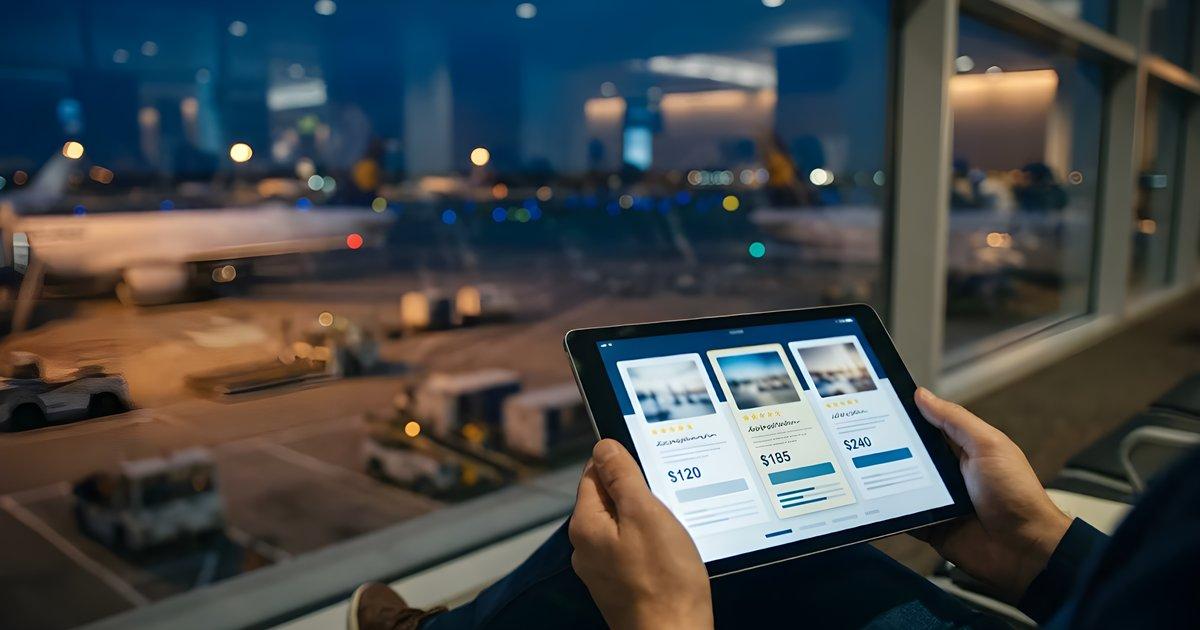
Kayak is a real, Booking Holdings-owned search engine. But it usually isn't the company you pay.
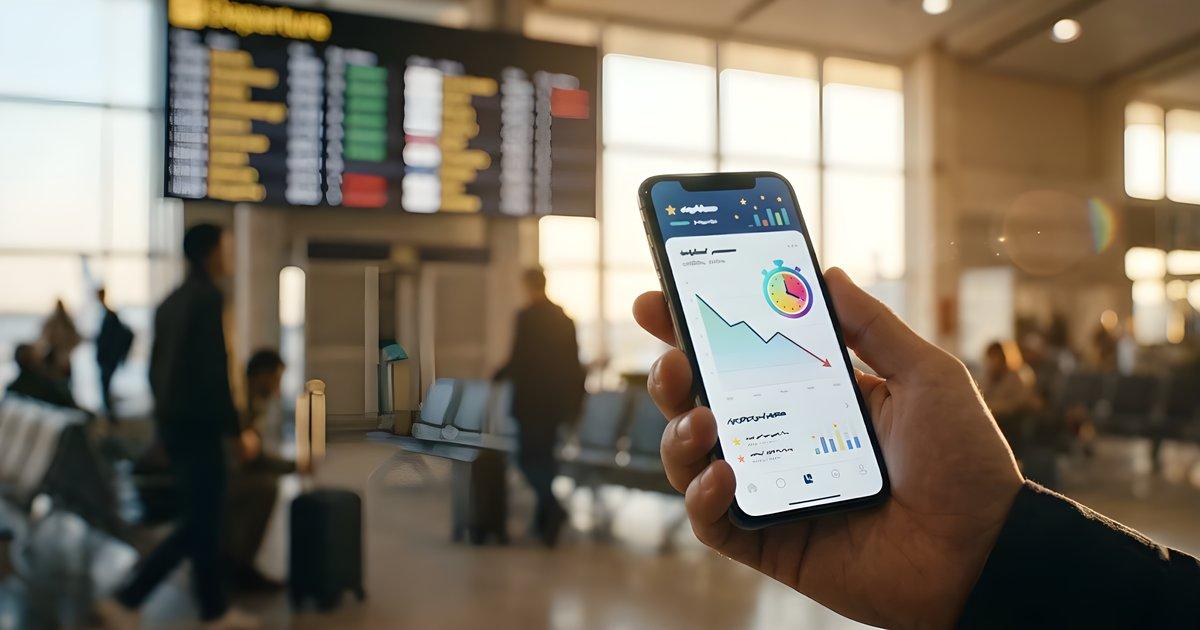
Hopper is a real travel app. But in 2026 it paid $35 million to settle claims about hidden fees.

Travelocity is a real, 30-year-old travel site. Since 2015 it has been part of Expedia Group.

Both platforms changed their fees in 2026. Here's how they compare now — and what neither one checks for you.
Genius is free and the discounts are real. But the blue badge isn't the quality mark many travelers think it is.

I got AUD 1,397 back from Airbnb in under an hour. I lost a mouldy hotel stay booked on Booking.com. The difference was evidence.
There's no federal minimum age to check into a hotel. Here's every major chain's policy, which cities are strictest, and what to do if you're under 21.

There is no universal hotel star rating system. Here's what stars measure, what they miss, and why a 5-star hotel tested dirtier than a 3-star.
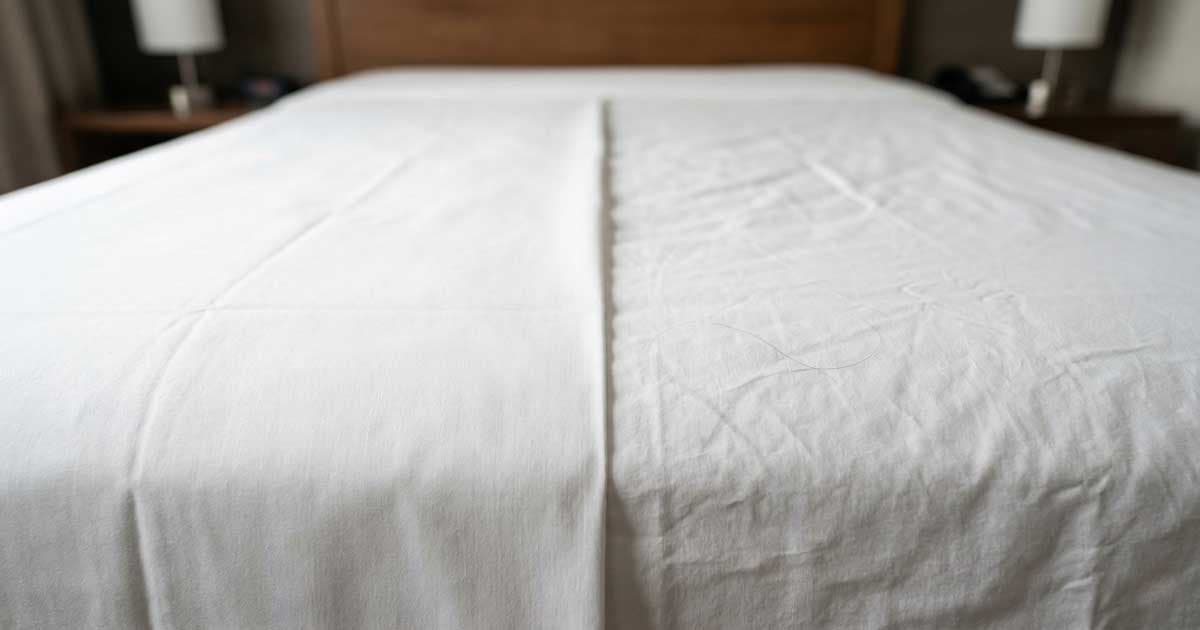
J.D. Power, ACSI, and consumer data all agree on the winners and losers. Here's the ranking — and why the scores on Booking.com don't tell you what you need to know.
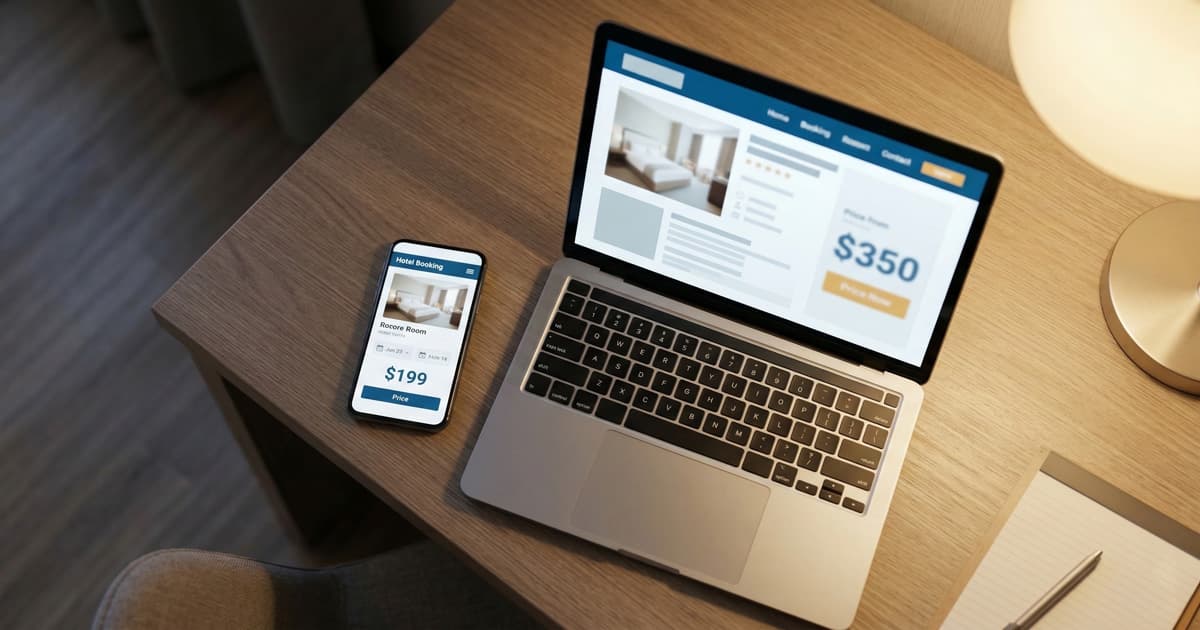
Book 15 days out, on a Sunday, using the mobile app — and you could save 30% or more. Here's the research behind every hotel pricing trick.

Airbnb is a legitimate platform. But it operates with fewer safety regulations than hotels — and when things go wrong, they can go very wrong.
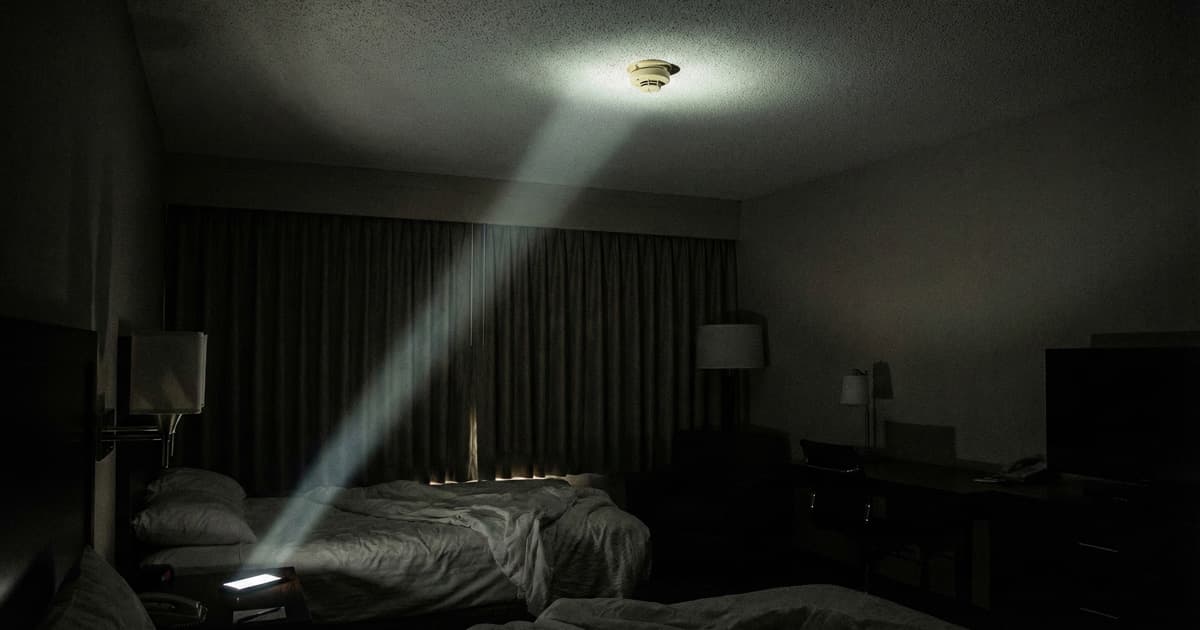
Spy cameras cost $30, fit inside a USB charger, and stream 4K video anywhere. Here's how to find them in five minutes.

Both platforms are legitimate. But they serve different travelers — and neither one warns you about the hotel's real problems.

Agoda is a legitimate platform. But "Agoda Preferred" isn't an inspection — and "Great for Children" isn't a safety guarantee.

Trip.com is a legitimate platform. But its badges aren't inspections — they're algorithms.

Priceline is a safe platform. But a "Top Booked" badge doesn't mean the hotel is quiet, clean, or right for you.

Hotels.com is a real platform. But a 9.0 rating doesn't mean the hotel is clean, safe, or worth your money.

Every property sets its own rules. Here's how to avoid losing money when things go wrong.
Trivago is a legitimate price comparison tool. But it tells you where a hotel is cheapest — not whether it's actually good.

Most bed bug guides start when you arrive. The smarter check happens before you book.

Booking.com is a secure platform. But the hotels on it might not be what they seem.