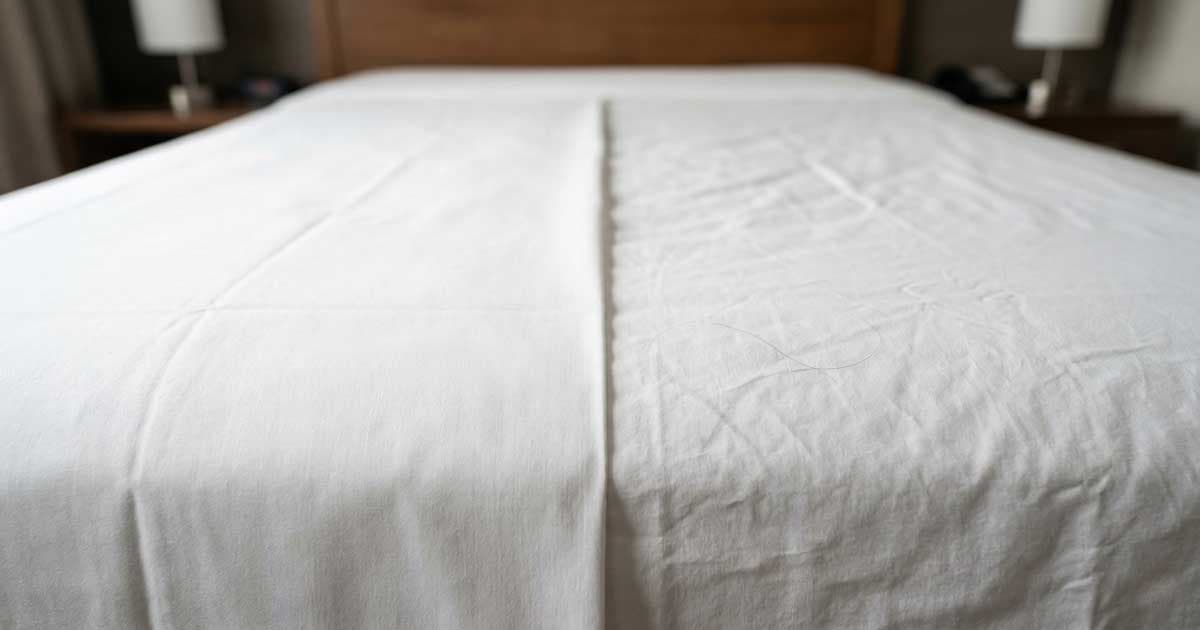
There is no universal hotel star rating system. No single international authority assigns them. A 3-star hotel in Bangkok and a 3-star in Paris share a label but almost nothing else. And a laboratory study found that 5-star hotels harbored more bacteria on remote controls than 3-star alternatives.
If you've ever wondered what hotel stars actually mean — and why a 4.5-star property can still have cockroaches — here's the full breakdown.
There is no global standard
The most important thing to understand about hotel stars is that nobody owns the system. The World Tourism Organization published an advisory hotel standard in 1989, but it's non-binding. What exists instead is a patchwork of national governments, private organizations, and self-reported claims.
In France, a government agency called Atout France administers star ratings through accredited inspectors evaluating 243 specific criteria, including minimum room sizes down to the square meter. In Germany, the Hotelstars Union — a coalition of 21 European countries — applies 239 standardized criteria to over 22,000 hotels. In the UK, the AA conducts mystery-guest overnight inspections.
In the United States, there is no government hotel rating system at all. Hotels can call themselves "5-star" on their own website without anyone ever inspecting the property. The only independent US ratings come from AAA (which uses diamonds, not stars), Forbes Travel Guide (its own star system), and Michelin (which uses "keys"). When you see stars on a US hotel listing on Google or Booking.com, those stars may be entirely self-assigned.
What each star level is supposed to mean
Despite the chaos, general expectations have converged across major rating bodies. Here's what you can roughly expect at each tier.
1-star: Basic, clean accommodation. A bed, private or shared bathroom, Wi-Fi, TV. Front desk hours may be limited. Daily housekeeping isn't guaranteed. A clean, safe place to sleep — nothing more.
2-star: Private bathroom in every room, reading lights, towels, sometimes continental breakfast. Longer front desk hours. Generally part of a recognized brand.
3-star: The mid-range sweet spot. Under the Hotelstars Union system, this means bilingual staff, at least 10 hours of front-desk availability, breakfast buffet, laundry service, a desk with lighting, a luggage rack, and a hairdryer. On-site restaurants and fitness facilities are common. In the US, think Hampton Inn, Courtyard by Marriott, Holiday Inn.
4-star: Lobby with seating and beverage service, hotel bar, minibar or room service, choice of pillow types, bathrobe and slippers on demand, 24-hour reception. This is where service becomes noticeably more attentive.
5-star: 24-hour reception and room service, restaurant open seven days, concierge, valet parking, evening turndown service, in-room safe. Under France's system, rooms must be at least 24 square meters, staff must speak two foreign languages, and escort to the room is mandatory.
How the US, Europe, and Asia rate hotels completely differently
The US: no government system
The US has two credible independent rating systems, and they measure different things.
AAA Diamond ratings cover approximately 26,000 hotels. Inspectors conduct unannounced visits evaluating 57 scoring elements. AAA consolidated its lower tiers into a single "Approved" designation, leaving four levels: Approved (28%), Three Diamond (63%), Four Diamond (6.5%), and Five Diamond (just 0.4% — roughly 145 hotels at any time). Since 2021, AAA inspectors also test surfaces for bacteria using ATP technology — the same testing used in hospitals.
Forbes Travel Guide only rates luxury properties. Anonymous inspectors book as regular guests, pay their own way, and stay a minimum of two nights. They evaluate up to 900 criteria, with 67% of the score based on service quality rather than physical facilities. In 2026, Forbes rated 2,422 properties across 100+ countries. The Forbes Five-Star is widely considered harder to achieve than the AAA Five Diamond because of its heavier service weighting.
Europe: more regulated, still inconsistent
France's system is particularly rigorous, with specific minimum room sizes at each level and government inspectors who arrive unannounced as mystery guests. Star ratings are valid for five years and directly affect the local tourist tax — higher stars mean higher taxes, which gives hotels a financial incentive not to inflate their rating.
The Hotelstars Union has achieved the most ambitious harmonization across 21 countries. But even within Europe, Spain operates 17 separate regional classification systems, Italy has 21, and Finland and Norway have no star system at all.
Asia and the Middle East
Japan has no official government hotel rating system. Singapore also lacks formal stars — ratings on booking platforms come from the platforms' internal systems. China runs a government-regulated 5-rank system. India's Ministry of Tourism classifies hotels from 1-Star through 5-Star Deluxe.
The famous Burj Al Arab in Dubai, widely called a "7-star hotel," is officially rated Five-Star Deluxe. The "7-star" label originated from a British journalist's pre-opening press trip in 1999. No rating system anywhere goes above 5.
How Google and Booking.com display stars differently
Google displays two separate ratings that most users conflate. The "class rating" (1–5 stars) is derived from third-party partners, machine learning, and hotelier feedback — not inspections. The "review rating" is the aggregate of user reviews. Google was fined €1.1 million by French authorities in 2021 for replacing official Atout France classifications with its own algorithmic ratings on more than 7,500 properties.
Booking.com explicitly states it does not assign star ratings. Stars on Booking.com listings are either self-reported by the property or sourced from local classification systems. Booking.com does not verify these claims. What Booking.com does produce is its own guest review score (1–10), with optional sub-scores for staff, facilities, cleanliness, comfort, location, value, and Wi-Fi. The sub-scores are collected independently of the overall score — meaning a hotel can score 8.5 overall while hiding a 5.0 on cleanliness.
In 2025, Booking.com introduced recency-weighted scoring where newer reviews carry more weight and reviews older than 36 months are archived. This rewards recent improvement and penalizes recent decline.
5-star hotels tested dirtier than 3-star hotels
A study commissioned by TravelMath and conducted by EmLab P&K laboratory tested 36 samples from nine hotels across 3-star, 4-star, and 5-star properties. The results inverted expectations.
Three-star hotels were the cleanest overall. Their dirtiest surface (bathroom counters) measured 320,007 colony-forming units per square inch — roughly eight times fewer bacteria than the same surface at 4-star hotels. Five-star hotel remotes tested at over 2 million CFU per square inch — compared to just 17,000 on a typical household remote.
A separate Amerisleep analysis of health department violation records found 5-star hotels had more than three times as many bedding and linen violations as 4-star hotels. The study also found that price was actually a better predictor of cleanliness than star rating, and that TripAdvisor guest ratings correlated better with fewer violations than official classifications.
The likely explanations: ornate luxury bathrooms are harder to clean than simple 3-star surfaces, higher guest turnover creates more contamination, and housekeeping budget cuts affect all tiers.
What a 3-star hotel actually gets you in 2026
In practice, a 3-star hotel means a well-furnished room with an en-suite bathroom, flat-screen TV, free Wi-Fi, daily housekeeping, and usually an on-site restaurant. What you typically won't get: spa, concierge, valet parking, fine dining, turndown service, or rooms larger than about 200 square feet.
The real story is how wildly a 3-star experience varies by location. Average nightly rates tell the story: London averages roughly $247, New York about $178, Paris around $174 — while Tokyo comes in at $78 and Bangkok at approximately $50. One night in a London 3-star could fund almost a week in Bangkok, where a 3-star property may include a swimming pool, daily breakfast, and service quality rivaling a Western 4-star.
The upgrade economics are worth knowing. The Hotels.com 2025 Hotel Price Index found US travelers pay about 38% more to jump from 3-star to 4-star, but a steep 118% more to go from 4-star to 5-star. The 4-star tier is the best value upgrade in most markets.
Five misconceptions about hotel stars
Stars measure amenity breadth, not quality of execution. Most systems work as checklists: Does the hotel have an elevator? A conference hall? Multilingual staff? A boutique hotel with copper bathtubs and exceptional personal attention might rate only 3 stars because it lacks a swimming pool — a common checkbox requirement it chose not to build.
A 3-star in one country is not equivalent to a 3-star in another. With 20+ different classification systems worldwide, cross-border comparisons are meaningless. A 3-star rated under Germany's 239-criteria evaluation bears no relationship to a self-assigned 3-star in the US.
"Six-star" and "seven-star" hotels do not exist. The Hotelstars Union explicitly states that claims of 6 or 7 stars are marketing. No recognized classification body anywhere rates above 5.
Higher stars don't guarantee better hygiene. The TravelMath data and Amerisleep health violation analysis both demonstrate that cleanliness depends on management quality and housekeeping practices — not classification level.
On most booking platforms, stars are self-reported. On Booking.com, Hotels.com, and many other OTAs, the star rating is submitted by the hotel itself. Only properties rated by Forbes, AAA, Atout France, or the Hotelstars Union have been independently verified.
Proof: 5-star hotels that failed vs budget hotels that delivered
The lab data is compelling, but here's what it looks like in practice. We ran DoNotStay's review analysis on real hotels across three cities — pairing a 5-star property with a budget alternative in the same destination. The results speak for themselves.
Bali: 5-star Marriott vs 2-star guesthouse
The Courtyard by Marriott Bali Seminyak Resort is a 5-star property. Guests report cockroaches, dirty pools, and rooms that don't match the photos. The rating looks fine at a glance. The reviews tell a different story.

This Marriott property in Seminyak has excellent staff and a prime location, but faces significant challenges with noise from pool parties, construction, and poor soundproofing affecting 16% of recent guests. Maintenance issues including mold, stained furniture, and cleanliness concerns are reported by 8% of visitors. The pool area becomes overcrowded with insufficient seating. While many guests love the breakfast and service, the noise and maintenance issues prevent a confident recommendation for those seeking a peaceful, well-maintained stay.
🚩 Red Flags
Meanwhile, the Lesong Hotel & Restaurant is a 2-star guesthouse. No concierge, no spa, no valet. But guests consistently praise the clean rooms, friendly staff, and honest value.

Despite other strengths this hotel may have, 4 recent guests (4% of reviewed stays) reported humidity/moisture issues. This is a structural concern that affects comfort and health, making it impossible to recommend.
🚩 Red Flags
Dubai: 5-star Palazzo Versace vs 3-star Rove
Palazzo Versace Dubai is one of the most recognizable luxury hotel brands in the world. Five stars. Designer everything. And guests report maintenance issues, disappointing service relative to the price, and rooms that don't live up to the Versace name.

Multiple guests have reported bugs in rooms and visible mould in bathrooms, indicating serious hygiene and maintenance failures. These health concerns make it unsafe for accommodation.
🚩 Red Flags
Rove City Centre is a 3-star hotel at a fraction of the price. Clean, consistent, no surprises. In a city where 5-star is the baseline expectation, a well-run 3-star often delivers a better experience per dollar.

This well-located Dubai hotel near the metro and airport delivers solid service with enthusiastic staff, particularly Chetan who receives frequent praise. While most guests enjoy clean rooms and good amenities, there are concerning reports of staff entering rooms despite 'do not disturb' signs and some billing irregularities. The 6,600+ review sample provides high confidence in the overall positive experience, though sensitive guests should be aware of these operational issues.
🚩 Red Flags
Bangkok: 5-star Mövenpick vs 3-star Siamese Residence
We covered the Mövenpick Hotel Sukhumvit 15 in our Is Agoda Safe? post. It's a 5-star property rated 8.4 on Agoda with a "Great for Children" badge. Guests found cockroaches — and were told they could choose between small and large sizes.

Multiple confirmed pest sightings including cockroaches and rodents, plus widespread maintenance failures make this unsafe. The hotel appears to be declining with serious cleanliness and infrastructure issues.
🚩 Red Flags
The Siamese Residence Rama 9 is a 3-star hotel. No international brand name. No designer lobby. Just clean rooms and honest reviews.

This modern apartment hotel in Bangkok's Rama 9 district delivers exceptional convenience with its 3-minute walk to MRT station and proximity to major shopping centers. With 80 reviews averaging 9.1/10, guests consistently praise the clean, stylish units, excellent facilities (pool, gym), and prime business district location. Minor issues include slow microwaves and limited immediate dining options, but the excellent transport links make the broader city easily accessible.
🚩 Red Flags
Three cities. Three 5-star hotels that failed basic expectations. Three budget alternatives that delivered. Stars measure what a hotel has. They don't measure whether it works.
How to actually evaluate a hotel beyond stars
Stars narrow your search from thousands of options to dozens. That's genuinely useful. But making a final decision based on stars is like choosing a restaurant by whether it has tablecloths.
Read negative reviews first. Sort by lowest rating and look for recurring complaints. A single bad review is noise. The same complaint across five reviews about thin walls, broken AC, or dirty sheets is a pattern.
Check sub-scores, not just the headline number. Booking.com breaks reviews into staff, facilities, cleanliness, comfort, location, value, and Wi-Fi. A hotel scoring 8.5 overall but 6.2 on cleanliness is telling you something the aggregate hides.
Prioritize recent reviews. Hotels change management, complete renovations, or quietly decline. Reviews older than six months may describe a property that no longer exists.
Compare marketing photos with guest photos. Professional shots are designed to flatter. Guest-uploaded photos on Google, TripAdvisor, and Booking.com show reality.
Watch for fake reviews. AI-generated hotel reviews on TripAdvisor increased 137% between 2019 and 2024. Signs include phrases like "game-changer," excessive length, and no specific details. Booking.com reviews are more reliable because only verified guests can leave them.
Or skip the manual work entirely. DoNotStay analyzes every detailed review on a Booking.com hotel page and surfaces the patterns that star ratings and headline scores hide — pests, mold, noise, dirty sheets, scams — with evidence from actual guest reports.
Stars tell you what a hotel has. Reviews tell you what a hotel is. Check before you book. Add DoNotStay to Chrome — free →